
ISO 42001 Certification Process – Step-by-Step Guide to Building and Certifying Your AI Management System
The ISO 42001 Certification Process guides organizations through a structured journey from initial governance assessment to formal certification. Understanding each stage of the process, gap analysis, AI risk and impact assessment, control implementation, internal audit, and the external certification audit, helps organizations plan realistic timelines, allocate resources effectively, and avoid common implementation delays. This guide walks through the complete ISO 42001 certification process from start to finish.
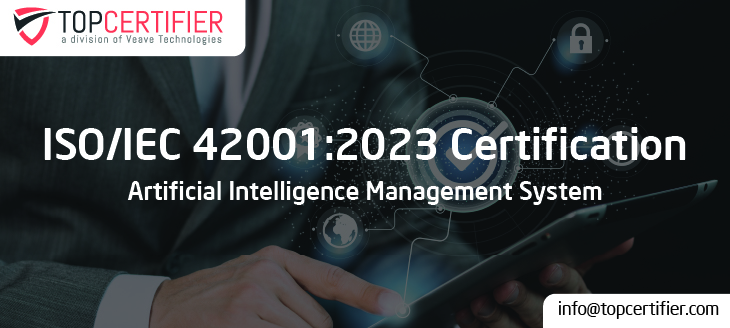
Achieving ISO 42001 Certification is not a single event but a structured process that unfolds in clear stages, each building on the last. Organizations that understand this process in advance are better equipped to plan project timelines, assign internal responsibilities, and set realistic expectations with leadership and stakeholders. From the initial gap analysis through to certificate issuance and beyond, each stage of the ISO 42001 certification process plays a specific role in building a genuinely effective Artificial Intelligence Management System.
ISO 42001 Certification Process unfolds through a series of defined stages, from initial assessment to the external certification audit, each contributing to a stronger overall AI management system.
Organizations that follow a well-structured certification process typically experience fewer surprises, more predictable timelines, and stronger long-term AI governance outcomes.
What Are the Stages of the ISO 42001 Certification Process?
ISO 42001 Certification Process Certification Process typically begins with an initial consultation and scoping exercise, defining which AI systems fall within the AIMS boundary, followed by a gap analysis against ISO 42001 requirements, and a formal AI risk and impact assessment. This is followed by policy and documentation development, implementation of data governance and human oversight controls, employee training, and internal audits to test readiness before the formal certification audit.
The certification audit itself is typically conducted in two stages by an accredited certification body: a Stage 1 audit reviewing documentation and readiness, followed by a Stage 2 audit assessing the operational effectiveness of implemented controls across in-scope AI systems. Once certified, organizations enter a cycle of annual surveillance audits and a full recertification audit every three years.
Why Understanding the Process Matters
Organizations that understand the full ISO 42001 certification process in advance are better positioned to allocate the right internal resources, set realistic project timelines, and avoid the common pitfall of underestimating the effort required for AI risk and impact assessment. A clear understanding of the process also helps organizations recognize which stages benefit most from external consulting support versus those that can be managed effectively in-house.
Major Benefits of ISO 42001 Certification includes :

The ISO 42001 Certification Process : A Strategic 10-Step Approach
1. Initial Consultation and Scoping
Define the boundaries of your Artificial Intelligence Management System, including which AI systems, teams, and processes are in scope.
2. Gap Analysis
Assess current AI governance practices against ISO 42001 requirements to identify areas needing improvement.
3. AI Risk and Impact Assessment
Identify, evaluate, and prioritize risks related to fairness, bias, safety, and societal impact across in-scope AI systems.
4. Data Governance Review
Assess data quality, provenance, and appropriate use practices supporting your AI systems.
5. Policy and Documentation Development
Develop the AI governance policies, procedures, and records required by ISO 42001.
6. Control Implementation
Roll out governance, technical, and human oversight controls across in-scope AI systems.
7. Employee Training and Awareness
Deliver AI governance awareness training to ensure staff understand their roles in maintaining the AIMS.
8. Internal Audit
Conduct an internal audit to test the AIMS and identify any remaining gaps before the certification audit.
9. Certification Audit (Stage 1 and Stage 2)
Undergo the two-stage external audit conducted by an accredited certification body.
10. Certification Maintenance
Maintain the AIMS through continuous monitoring, annual surveillance audits, and periodic recertification.
Following this structured ISO 42001 Certification Process helps organizations move through implementation and certification with clarity and confidence at every stage.
ISO 42001 Certification Process Success Story
- Generative AI Startup Completed Certification on Schedule: A generative AI startup followed a structured, staged certification process with TopCertifier, completing implementation and passing its Stage 1 and Stage 2 audits on the original planned schedule.
- Enterprise Analytics Platform Streamlined Impact Assessment: An enterprise analytics platform used a structured AI impact assessment methodology provided by TopCertifier, significantly reducing the time needed to complete this typically time-consuming stage of the process.
- Recruitment AI Provider Passed Certification Audit with Zero Major Findings: A recruitment AI provider followed TopCertifier's step-by-step certification process, resulting in a smooth Stage 2 audit with no major non-conformities.
These success stories show how a clear, well-structured ISO 42001 certification process helps organizations move efficiently from initial assessment to certified status, with fewer delays and stronger audit outcomes.
Why Choose TopCertifier to Guide Your ISO 42001 Certification Process?
TopCertifier guides organizations through every stage of the ISO 42001 certification process, from initial scoping and AI risk assessment through to Stage 1 and Stage 2 certification audits.
Our structured, stage-by-stage methodology helps organizations understand exactly what to expect at each point in the process, reducing uncertainty and supporting realistic project planning.
Related ISO 42001 Resources
Our Security Services
- TPRM Service
- SIEM Service
- SOC and NOC Service
- SOC as a Service
- NOC as a Service
- SSAE 18 and SSAE 16 Report
- ISAE 3402 and ISAE 3000 Report
- SSAE 3402 and SSAE 3000 Report
- SOX Attestation
- US GAAP Audit and Reporting
- CPA Firm
- Smeta Audit Service
ISO Certifications
- ISO 9001 Certification - Quality Management System
- ISO 14001 Certification - Environmental Management
- ISO 42001 Certification
- ISO 42001 Certification - Food Safety Management System
- ISO 42001 Certification - Information Security Management
- CMMI Certification - Capability Maturity Model Integration
- EU GDPR Certification - General Data Protection Regulation
- HIPAA Certification – Health Insurance Portability and Accountability Act
- PCI DSS Certification - Payment Card Industry
- SOC 2 Certification - System Organisation Standard
Frequently Asked Questions
The main stages include gap analysis, AI risk and impact assessment, control implementation, documentation, internal audit, and the Stage 1 and Stage 2 certification audits.
The full process typically takes several months to about a year, depending on organizational size and existing AI governance maturity.
A Stage 1 audit reviews your AIMS documentation and readiness to determine if you are prepared to proceed to the Stage 2 audit.
A Stage 2 audit assesses the operational effectiveness of your implemented AI governance controls in practice.
Yes, a formal AI risk and impact assessment is a core requirement of ISO 42001 and directly informs which controls are implemented.
Organizations define which AI systems, use cases, and business processes fall within the AIMS boundary during the initial scoping stage.
Yes, ISO 42001 requires at least one internal audit to be completed before the certification audit.
Certified organizations undergo annual surveillance audits and a full recertification audit approximately every three years.
The process can be accelerated with dedicated internal resources and experienced consulting support, though rushing risk and impact assessment can compromise audit readiness.
While not mandatory, consulting support often helps organizations navigate the process more efficiently and avoid common implementation pitfalls, particularly given how new the standard is.
Client Review





GLOBAL SUPPORT
India| USA| Canada| London| UK| Australia| New Zealand| South Africa| Singapore| Dubai,Uae| Saudi Arabia| SriLanka| Bangladesh| Myanmar| Germany| Malaysia| Fiji| Maldives| Bahrain| Kuwait| Oman| Qatar| Nigeria| Kenya| Lebanon| Iraq| Jordan| Thailand| Philippines| Spain| Turkey| Israel| Iran| Algeria| Angola| Ethiopia| Congo| Belgium| Austria| Portugal| Italy
Our Recent Blogs